Aggee

SEO content attribution: a simple model for small businesses

Small businesses often face the same frustration with SEO. They can see traffic coming in. They can see pages ranking. They can see impressions rising. But they can’t see whether any of it actually leads to paying customers. The data looks encouraging. The results feel vague. And decisions become harder because nobody can answer the

SEO content attribution: a simple model for small businesses Read More »

How to connect SEO content to your customer acquisition cost (CAC)

Small businesses are always told that SEO is “cost-effective.” It sounds good. It sounds rational. It sounds like something every owner should invest in. The problem is simple: most teams can’t actually prove it.They can see traffic, rankings and enquiries but they can’t see how those enquiries translate into CAC — the one metric that shows whether

How to connect SEO content to your customer acquisition cost (CAC) Read More »

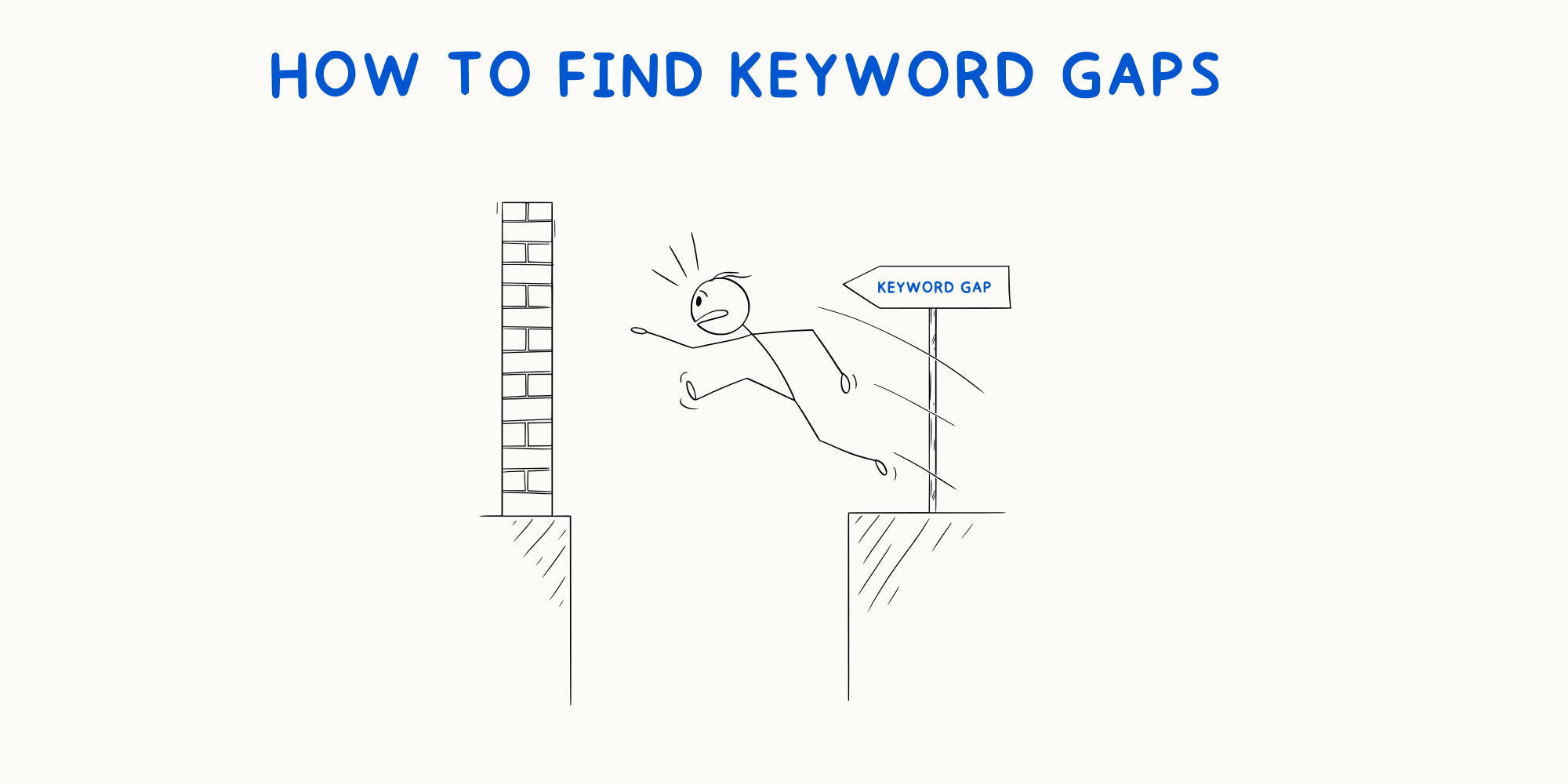
How to find SEO keywords gaps your competitors haven’t targeted yet

The story usually starts the same way. A business does everything right. They run competitor analysis. They open Ahrefs or SEMrush. They export hundreds of keywords. They fill a spreadsheet with columns and filters and colour-coded “priorities.” Then they build content around all the “right” terms — the ones with volume, the ones their competitors

How to find SEO keywords gaps your competitors haven’t targeted yet Read More »

How to find bottom-of-funnel SEO keywords

There’s a reason most businesses feel like they’re “doing SEO” but not getting any closer to real enquiries. Their content isn’t bad. Their keywords aren’t necessarily wrong. Their tools aren’t the problem either. The problem is where they’re aiming. They pour time into keywords that attract readers — not buyers. They rank for topics that

How to find bottom-of-funnel SEO keywords Read More »

Scroll to Top
Aggee Writes
Privacy Overview

Welcome! I use cookies on my website to give you the best user experience. These cookies are stored in your browser and help me recognise when you return to the website. They also help me understand which parts of the website you find most interesting and useful.